

Current location: HOME > BLOGS > Frequently Asked Questions >
Solar Photovoltaic Cable: Choosing the Right Cable for Efficient Solar Energy Systems
time:2026-05-17 08:09:17 author:haoshizai Click:89
As the global energy landscape shifts toward renewable sources, solar photovoltaic (PV) systems have gained growing popularity across residential, commercial, and industrial sectors. A critical yet often overlooked component of any solar setup is the solar photovoltaic cable. Selecting the appropriate cable is key to ensuring the system’s efficiency, safety, and long-term durability.
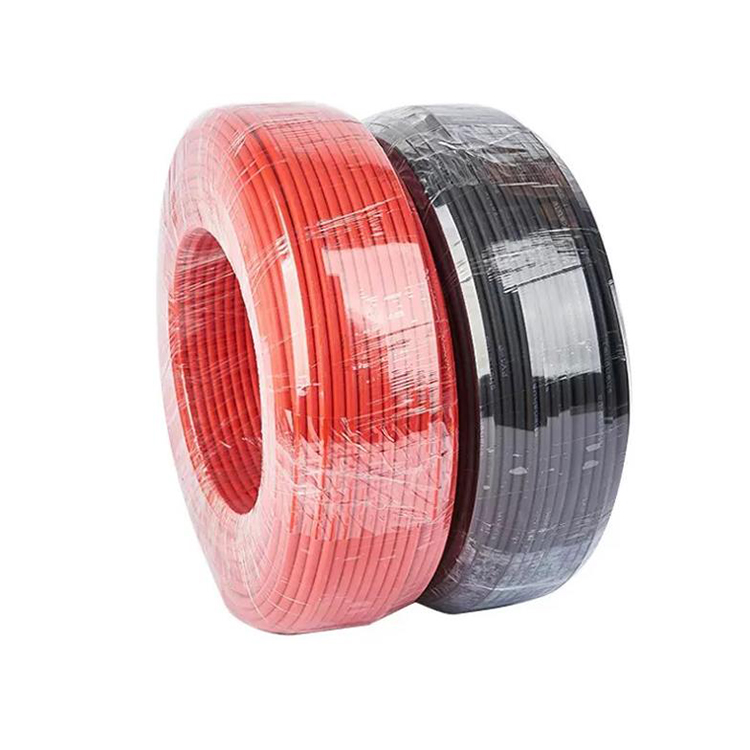
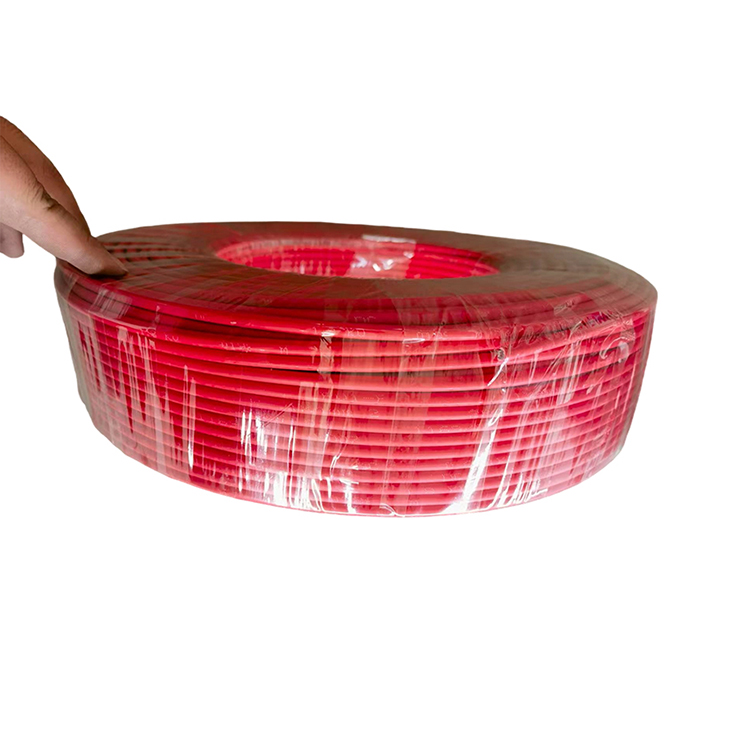
What Is a Solar Photovoltaic Cable?
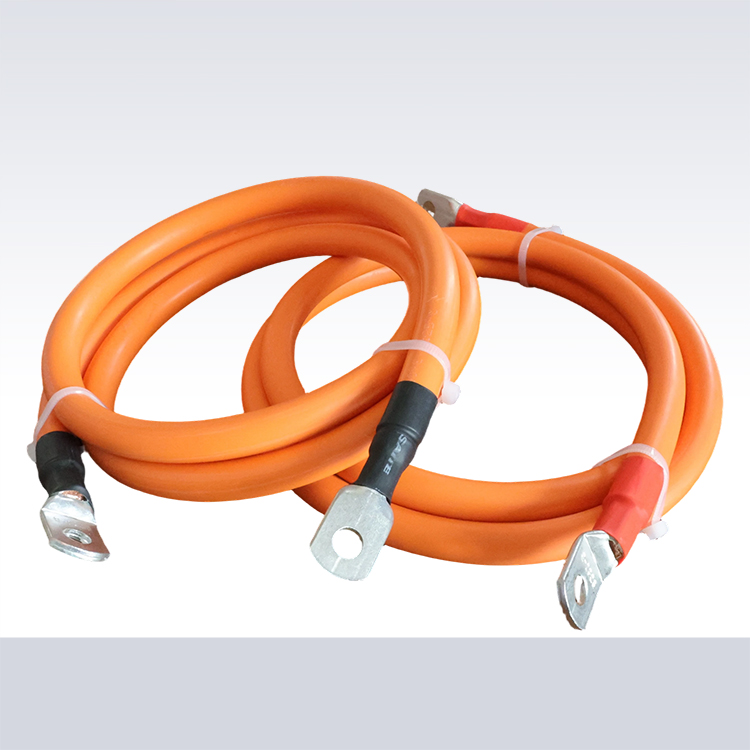
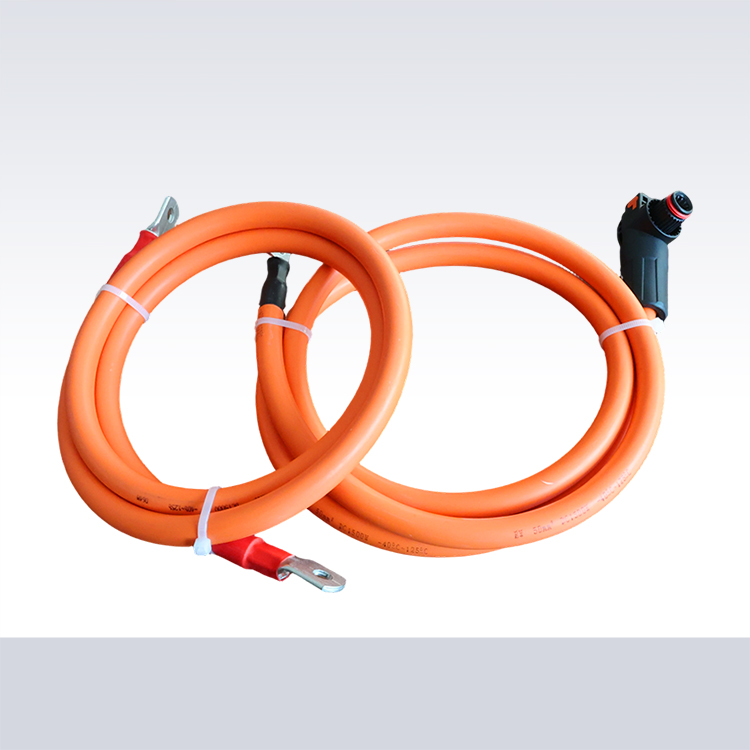
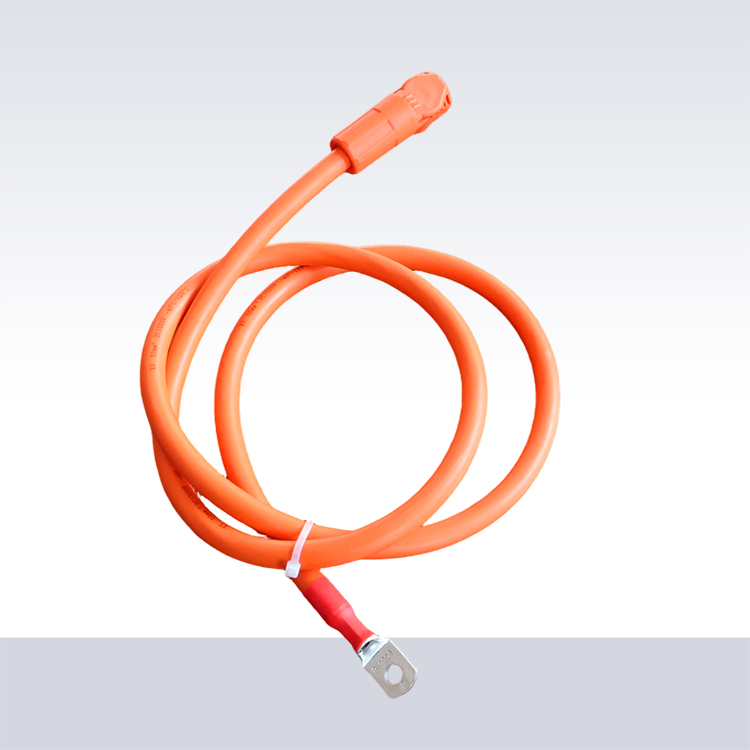
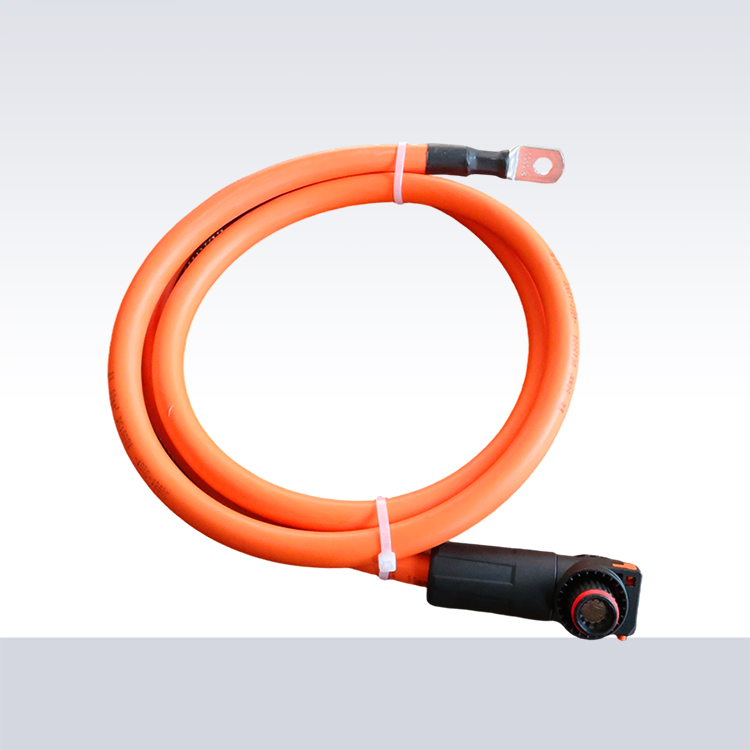
A solar photovoltaic cable is a specialized electrical cable engineered to link solar panels, inverters, and batteries within solar power systems. Unlike conventional electrical cables, PV cables are constructed to withstand harsh outdoor conditions, such as UV radiation, extreme temperature fluctuations, and moisture exposure.
Key Characteristics of PV Cables
Solar photovoltaic cables possess several distinctive features that make them suitable for solar installations:
UV resistance – Protects against degradation caused by prolonged exposure to sunlight.
Weatherproofing – Capable of withstanding rain, snow, and extreme hot or cold temperatures.
Durability – Resistant to abrasion, chemical contact, and mechanical strain.
High conductivity – Minimizes power loss during transmission between solar panels and inverters.
Types of Solar Photovoltaic Cables
When choosing PV cables, there are several common types to take into account, each tailored to specific installation needs:
Single-Core PV Cables
Perfect for connecting individual solar modules to the main junction box or inverter. These cables are flexible, simple to install, and capable of carrying higher electrical current.
Multi-Core PV Cables
Suitable for scenarios requiring multiple connections in a compact cable solution. They streamline the installation process and reduce cable clutter on-site.
MC4-Compatible Cables
Designed to seamlessly connect with MC4 connectors, which are the industry standard for solar panel connections. This compatibility guarantees reliable electrical connections and enhances system safety.
Key Considerations for Choosing the Right PV Cable
Selecting the optimal solar cable involves assessing both technical specifications and environmental factors, including the following:
Voltage Rating – Ensure the cable can support the system’s voltage, which typically ranges from 600V and 1500V.
Temperature Range – Take into account the maximum and minimum ambient temperatures of the installation location.
Cross-Section Size – Larger cable diameters reduce energy loss but increase costs; strike a balance between efficiency and budget constraints.
Certifications – Opt for cables with IEC, TUV, or UL certifications to ensure compliance with international safety and performance standards.
Installation Environment – For rooftop systems, UV-resistant and flame-retardant cables are a must. Underground or harsh industrial settings may require armored or reinforced cables for added protection.
Benefits of Using the Right Solar Photovoltaic Cable
Investing in high-quality PV cables offers numerous long-term advantages for solar energy systems:
Enhanced Efficiency – High-conductivity cables minimize power loss, thereby optimizing the system’s overall energy output.
System Longevity – Durable cables resist wear and environmental damage, reducing the need for frequent maintenance and replacement costs.
Safety Assurance – Properly rated cables prevent overheating, short circuits, and potential fire hazards, protecting both the system and the surrounding area.
Compliance with Standards – Certified cables meet international safety and performance requirements, which is essential for system warranties and regulatory compliance.
Installation Tips for PV Cables
To ensure the optimal performance and longevity of PV cables, follow these best practices during installation:
Avoid sharp bends, as they can cause internal wire damage and reduce conductivity.
Secure cables using appropriate clamps or conduits to prevent movement and mechanical stress.
Keep cables away from heat sources and areas prone to mechanical strain to avoid degradation.
Conduct regular inspections to identify signs of wear, damage, or corrosion early, allowing for timely repairs or replacement.
Conclusion
Choosing the right solar photovoltaic cable is more than just a matter of connecting solar panels—it is a critical step in ensuring the efficiency, safety, and long-term reliability of your solar energy system. By carefully considering factors such as voltage rating, temperature tolerance, certifications, and the installation environment, you can make an informed decision that maximizes the return on your solar investment. Invest in high-quality PV cables today to enjoy a safer, more efficient, and longer-lasting solar energy system for years to come.
References
GB/T 7714:Review of Fault Analysis of Solar Photovoltaic Cable Array Grid Connected Systems. International Journal of Recent Development in Engineering and Technology
MLA:Performance Evaluation of UV-Resistant PV Cables for Outdoor Solar Installations. Journal of Renewable and Sustainable Energy
APA:Compliance and Safety Certification of Solar Photovoltaic Cables: IEC, TUV, and UL Standards. Journal of Electrical Engineering