

Current location: HOME > BLOGS > Frequently Asked Questions >
New Energy Vehicle High Voltage Cable Safety Standards
time:2026-05-29 09:13:16 author:haoshizai Click:190
High Voltage Cable Identification in Electric Vehicles
Electric and hybrid vehicles operate electrical systems at voltages far exceeding traditional 12V automotive systems. Battery packs in modern EVs typically range from 400V to 800V, with some premium vehicles pushing toward 1000V architectures. At these voltages, cables and connectors become potential shock and arc flash hazards, demanding distinctive identification and robust protection measures.
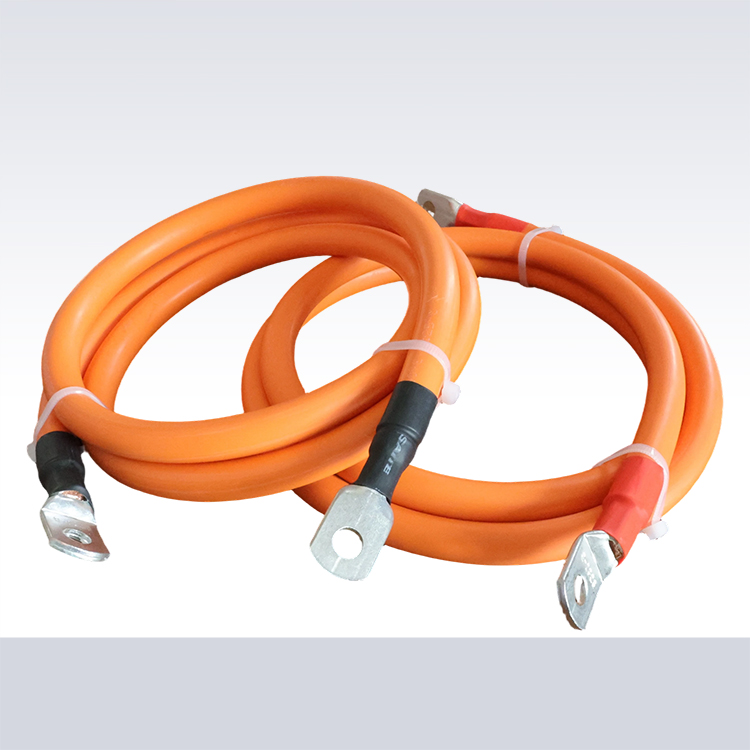
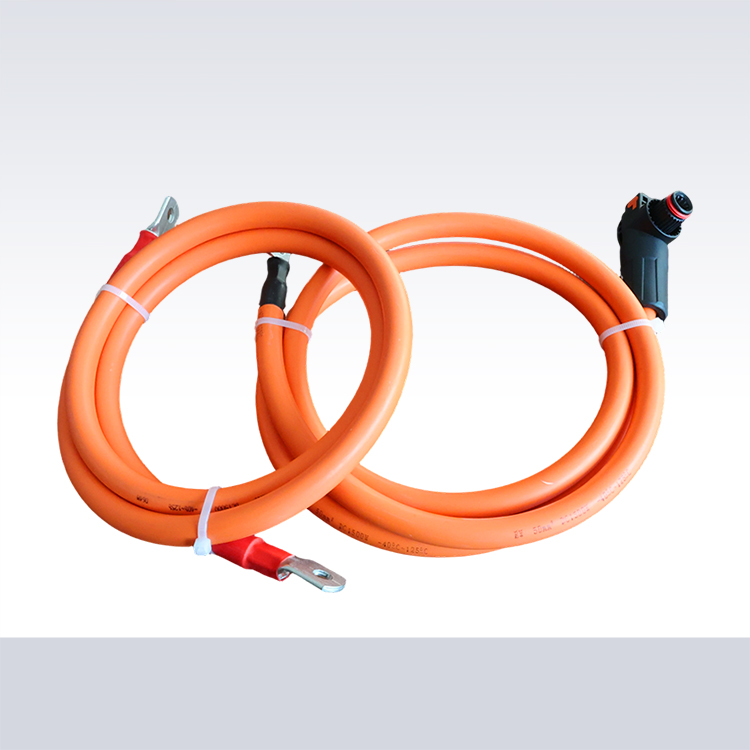
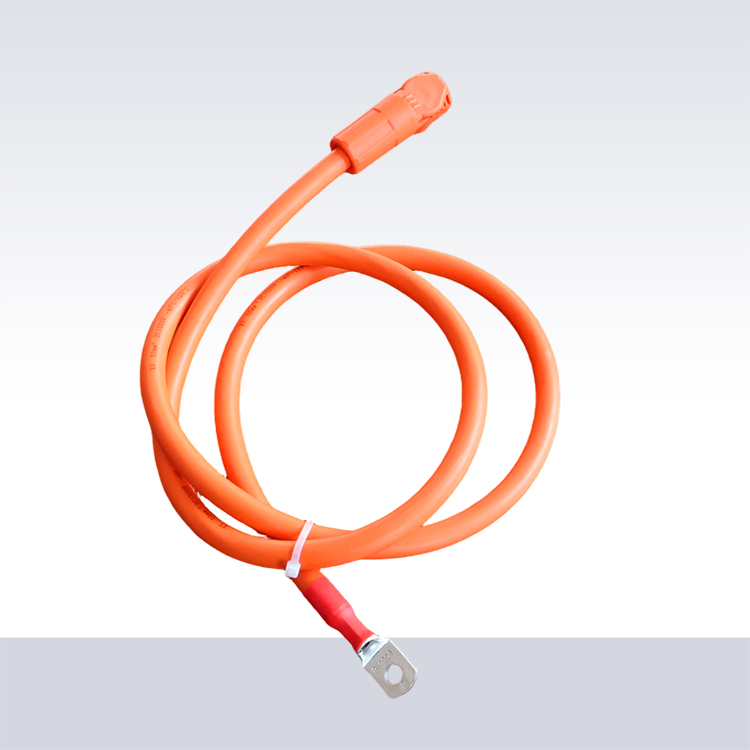
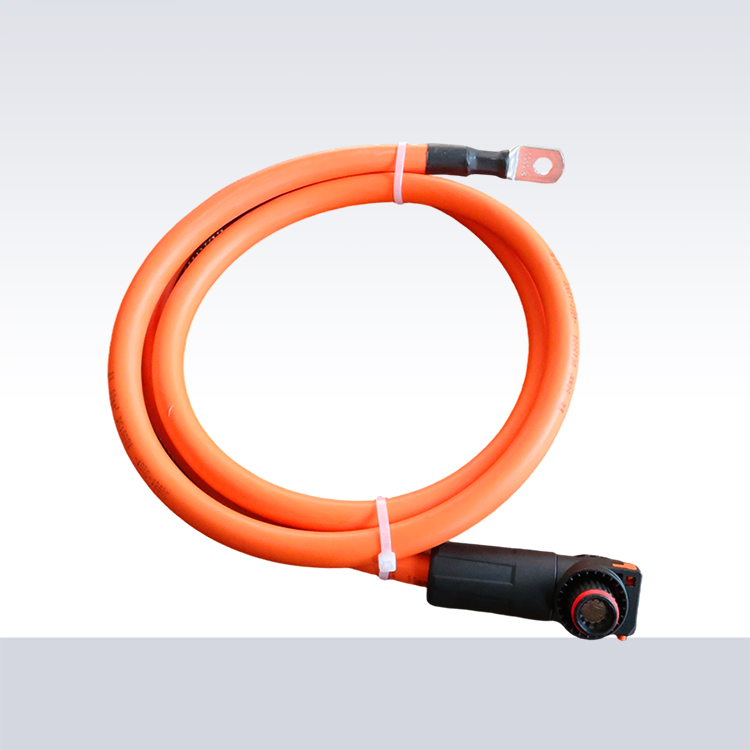
The automotive industry standardized on orange color-coding for high voltage cables, providing immediate visual identification for technicians and emergency responders. This convention appears across virtually all EV manufacturers, creating consistent warning regardless of vehicle brand. Orange jacketing extends to connectors, conduit, and any components carrying high voltage, creating a comprehensive visual system.
Beyond color, high voltage cables carry markings indicating voltage class, maximum operating temperature, and applicable standards. These markings support technician verification that replacement cables match original specifications. Substituting underrated cable—even with correct conductor size—creates fire and shock hazards that may not manifest until the vehicle experiences demanding operating conditions.
Insulation Systems for High Voltage Automotive Cables
High voltage cables in vehicles face a uniquely demanding environment combining electrical stress, thermal cycling, vibration, chemical exposure, and mechanical abrasion risks. The insulation system must withstand all these factors over the vehicle's operational life, typically specified at 10-15 years or 250,000km—far longer than most industrial cable applications.
Multi-layer insulation constructions address these varied demands. A typical HV EV cable might employ a semiconductive inner layer for field grading, primary XLPE insulation for dielectric strength, a copper braid shield for electromagnetic interference control, and an outer jacket providing mechanical protection and chemical resistance. Each layer serves specific functions, and omission of any layer compromises overall performance.
Temperature cycling presents particular challenges. Vehicle operation heats cables through both ambient temperature rise and resistive heating, while parked vehicles in cold climates subject cables to sub-zero temperatures. The insulation must maintain flexibility across this range; brittle insulation at low temperatures cracks under vibration, while soft insulation at high temperatures may deform under mechanical stress. Cross-linked polymers such as XLPE maintain properties across wider temperature ranges than thermoplastic alternatives.
Protection Systems and Interlocks
High voltage systems in vehicles incorporate multiple protection layers preventing electrical hazards during both normal operation and fault conditions. The isolation monitor continuously checks insulation resistance between the high voltage bus and vehicle chassis, detecting degradation before it progresses to dangerous levels. When insulation resistance falls below thresholds—typically 500Ω/V per UN ECE R100—the system alerts the driver and may limit vehicle operation.
Connector interlocks prevent cable disconnection under load. High voltage connectors incorporate mechanical interlocks that engage upon proper connection, signaling the vehicle control system that safe connection exists. The control system enables high voltage contactor closure only with interlock confirmation. Attempting to disconnect an interlocked connector requires first opening the interlock circuit, which causes the control system to open contactors, de-energizing the cable before physical disconnection.
Service disconnects provide explicit isolation points for maintenance work. These manually-operated devices—often integrated into battery pack enclosures or accessible underhood—create visible, lockable air gaps in the high voltage circuit. Unlike contactors controlled by software, service disconnects provide positive mechanical isolation that technicians can verify visually, satisfying lockout-tagout requirements for maintenance work.
Electromagnetic Compatibility Considerations
High voltage cables in vehicles carry rapidly-switched currents that generate electromagnetic interference. The power electronics driving traction motors switch at frequencies from 10kHz to 100kHz, creating substantial high-frequency current components that radiate from cables acting as unintentional antennas. Without proper shielding, this interference can disrupt vehicle electronic systems or external radio services.
Shielded high voltage cables address EMC requirements through conductive layers surrounding the insulated conductor. Braided copper shields provide flexibility with reasonable coverage, while foil shields offer higher coverage at lower cost but with reduced flexibility. The shield connects to vehicle chassis at both ends, creating a return path for interference currents that prevents radiation from the cable assembly.
Shield termination quality critically affects EMC performance. A shield connection with high impedance—due to loose termination, corrosion, or inadequate contact area—limits the shield's effectiveness. Twisted pair constructions for DC cables can further improve EMC performance by causing magnetic fields from each conductor to partially cancel, though this technique applies primarily to two-conductor cables rather than single-conductor shielded designs.
Regulatory Standards and Testing Requirements
Multiple regulatory frameworks govern high voltage cables for new energy vehicles. UN ECE R100 establishes requirements for electric vehicle safety, including provisions for rechargeable energy storage systems, electrical safety, and functional safety aspects. Cables within vehicles certified to ECE R100 must demonstrate compliance with applicable sections through type approval testing.
The ISO 6469 series provides detailed technical requirements for electric road vehicles. Part 3 addresses electrical safety, specifying requirements for protection against electric shock, electrical isolation, and potential equalization. Part 4 covers post-crash electrical safety, addressing the unique hazards that arise when vehicle structures are deformed in collisions. Cables must maintain specified performance even under crash-induced damage scenarios.
China's GB/T 18384 series parallels international standards with national requirements. Vehicles sold in China must comply with these standards, which may differ in specific test methods or acceptance criteria from international equivalents. Cable suppliers serving multiple markets must understand these differences and ensure their products satisfy all applicable requirements.
Emergency Response Considerations
First responders encountering EV incidents face unique electrical hazards not present with conventional vehicles. The orange cable identification system provides immediate warning of high voltage presence, but cables may remain energized even after apparent vehicle shutdown. The high voltage battery can source substantial current for extended periods, creating arc flash hazards if cables are cut or damaged during rescue operations.
Emergency response guides—required by regulation and published by manufacturers—provide vehicle-specific procedures for high voltage isolation. These guides identify service disconnect locations, cable routing, and safe cutting zones where cable severance will not create electrical hazards. Training programs for first responders increasingly incorporate EV-specific modules addressing these considerations.
References:
1. UN ECE R100 Uniform Provisions Concerning the Approval of Vehicles with Regard to Specific Requirements for the Electric Power Train
2. ISO 6469 Electric Road Vehicles - Safety Specifications, Parts 1-4
3. SAE J1742 Connections for High Voltage On-Board Road Vehicles
4. GB/T 18384 Electric Vehicles - Safety Requirements
5. NFPA 70E Standard for Electrical Safety in the Workplace